


Heating
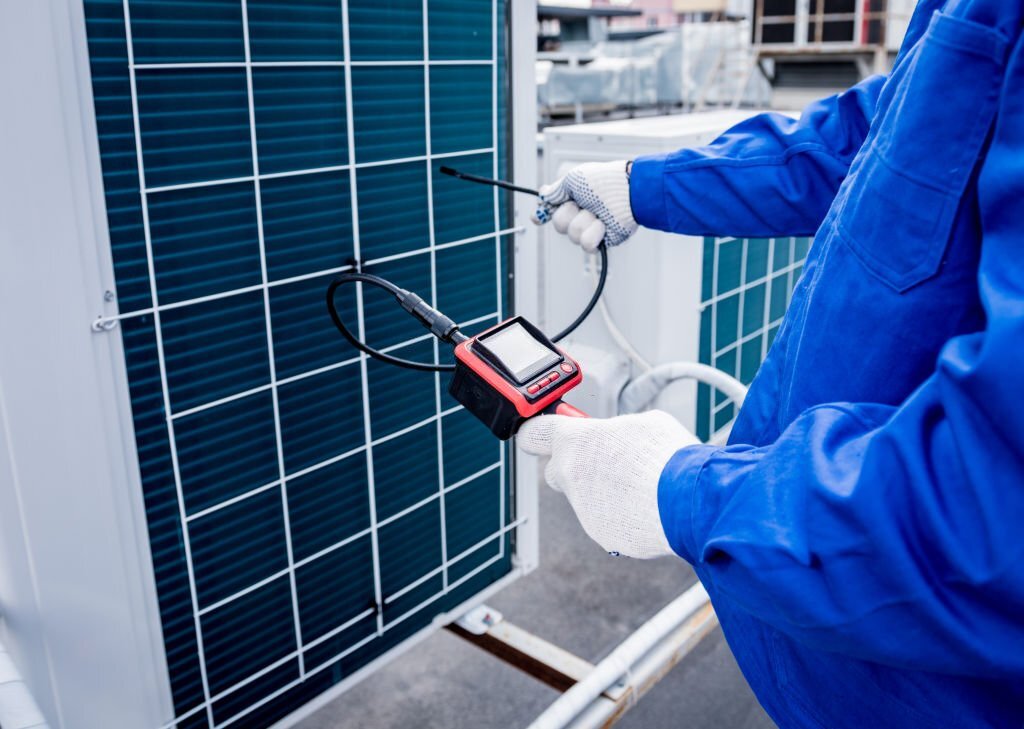
This component of the HVAC system is responsible for providing warmth and maintaining a comfortable temperature during colder seasons. It can involve various heating sources such as boilers, furnaces, heat pumps, or electric heaters.
Ventilation
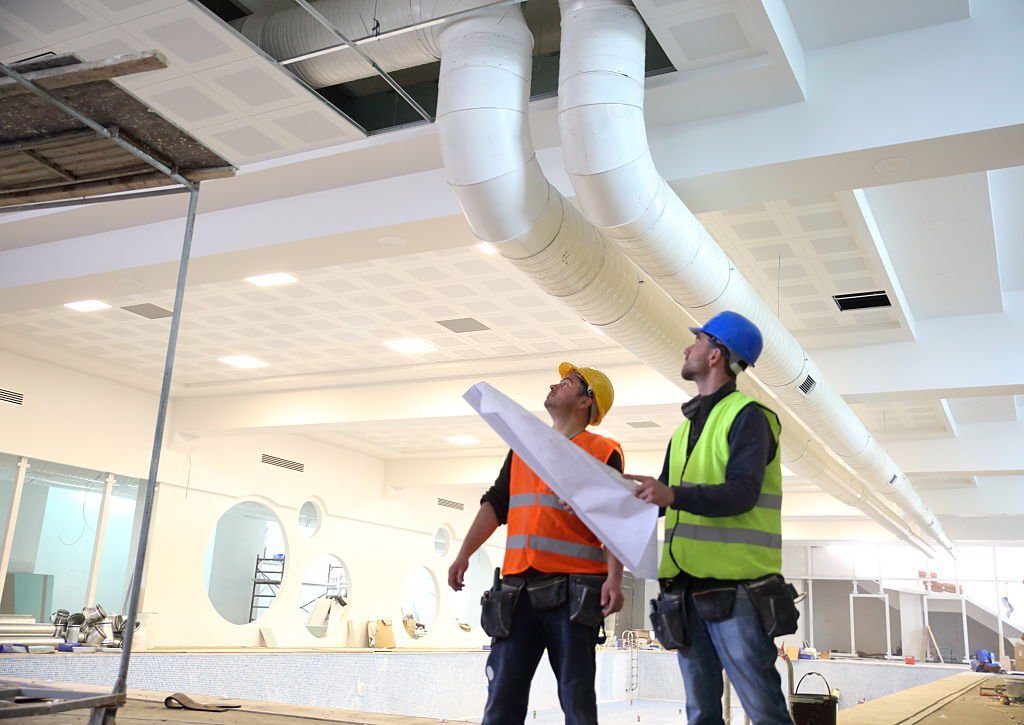
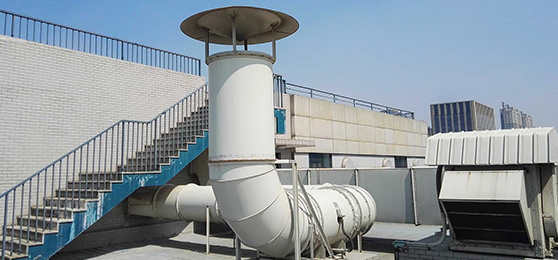
Ventilation ensures the exchange of indoor and outdoor air, providing fresh air while removing stale air, odors, and pollutants. It involves mechanical systems like fans, blowers, and ductwork to distribute the air throughout the building.
Air Conditioning
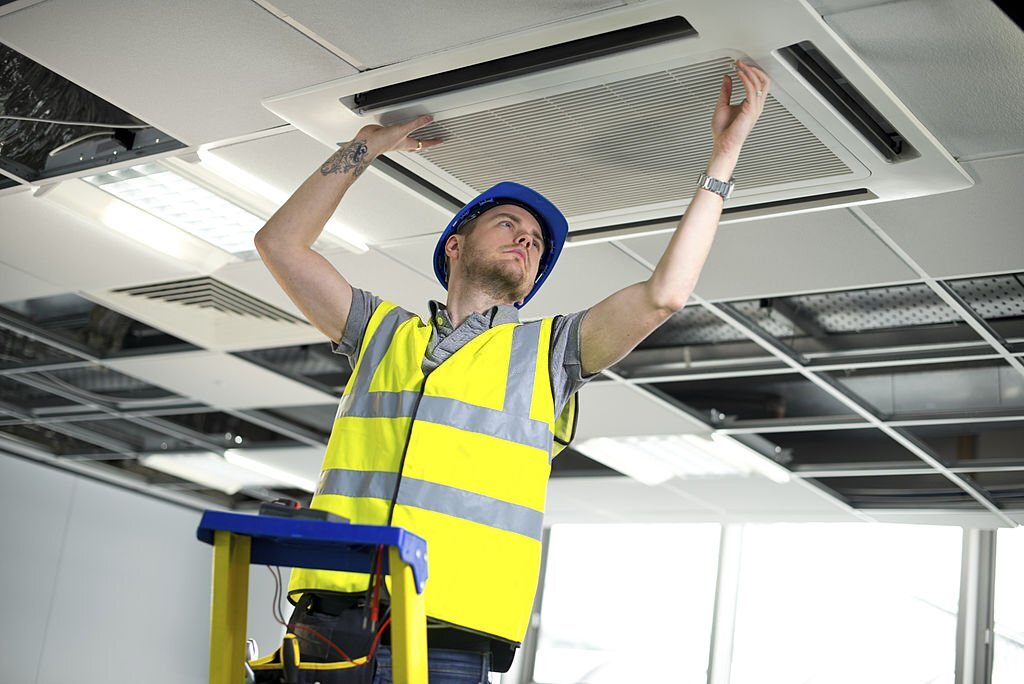
The air conditioning aspect of the HVAC system focuses on cooling and dehumidifying indoor spaces. It utilizes equipment such as chillers, air conditioners, or heat pumps to remove heat from the air and maintain comfortable temperature levels.
Air Distribution
Air distribution involves the network of ductwork, grilles, registers, and diffusers that distribute conditioned air throughout the building, ensuring proper airflow and temperature regulation in each area or room.